Logo for Stellar Field
HomePrivacyCookiesLegal

DEEP STRATEGY

Procedural Systems. Real Consequences.

Build bases. Defend territory. Navigate raid windows and supply-chain warfare.

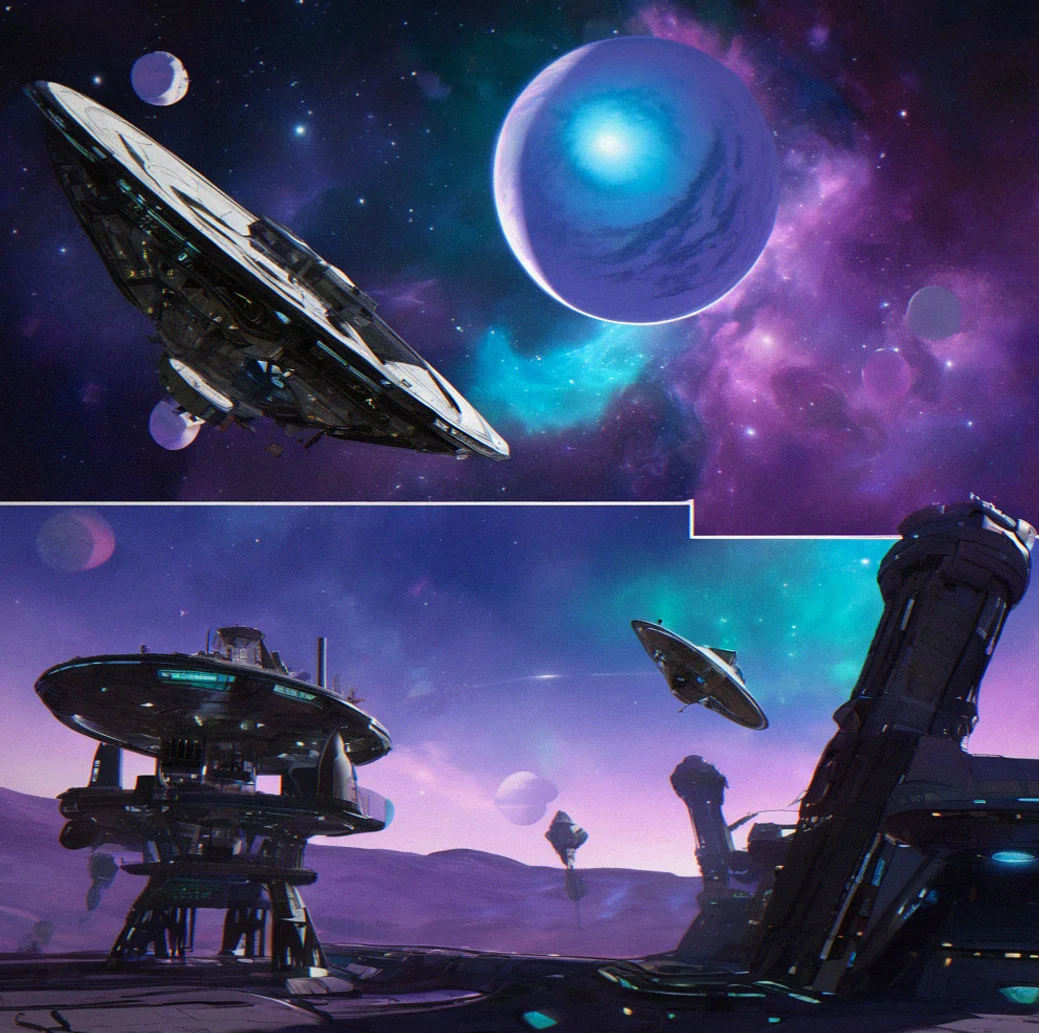
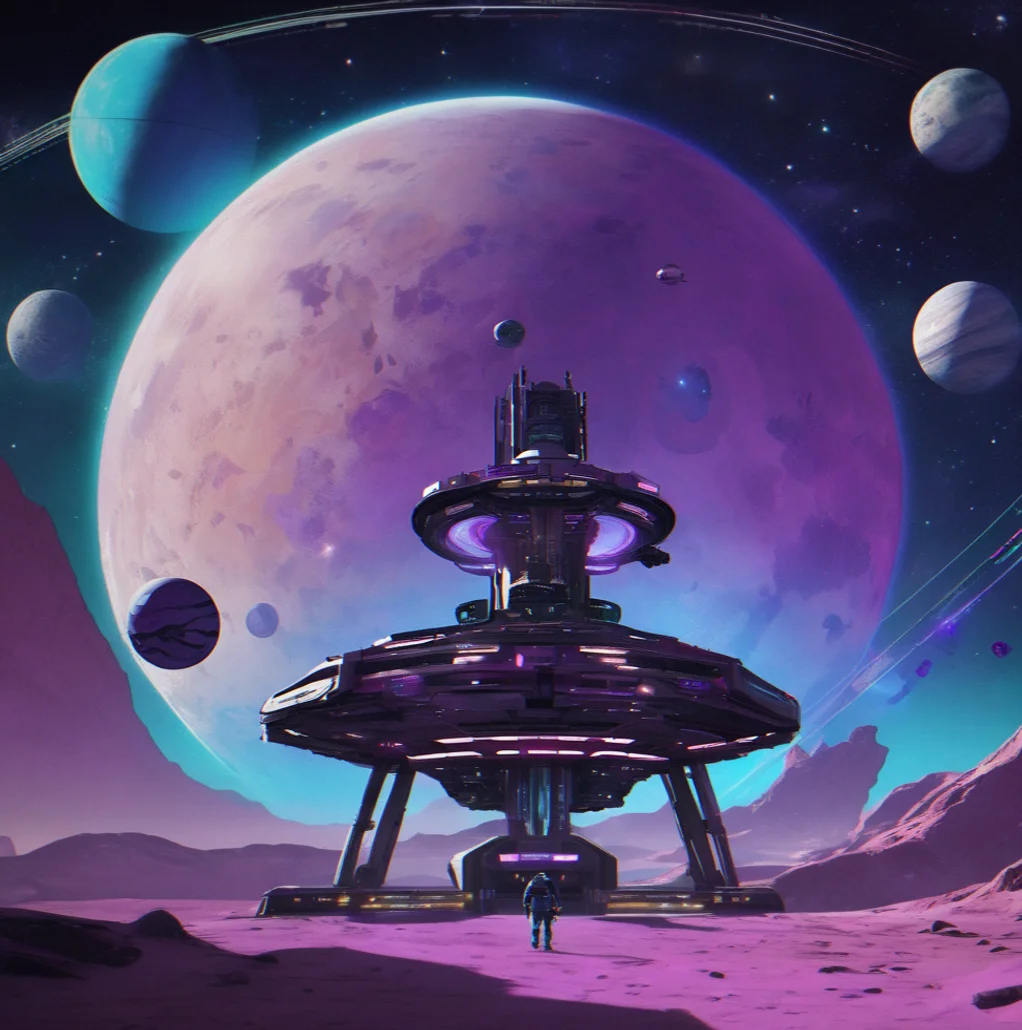
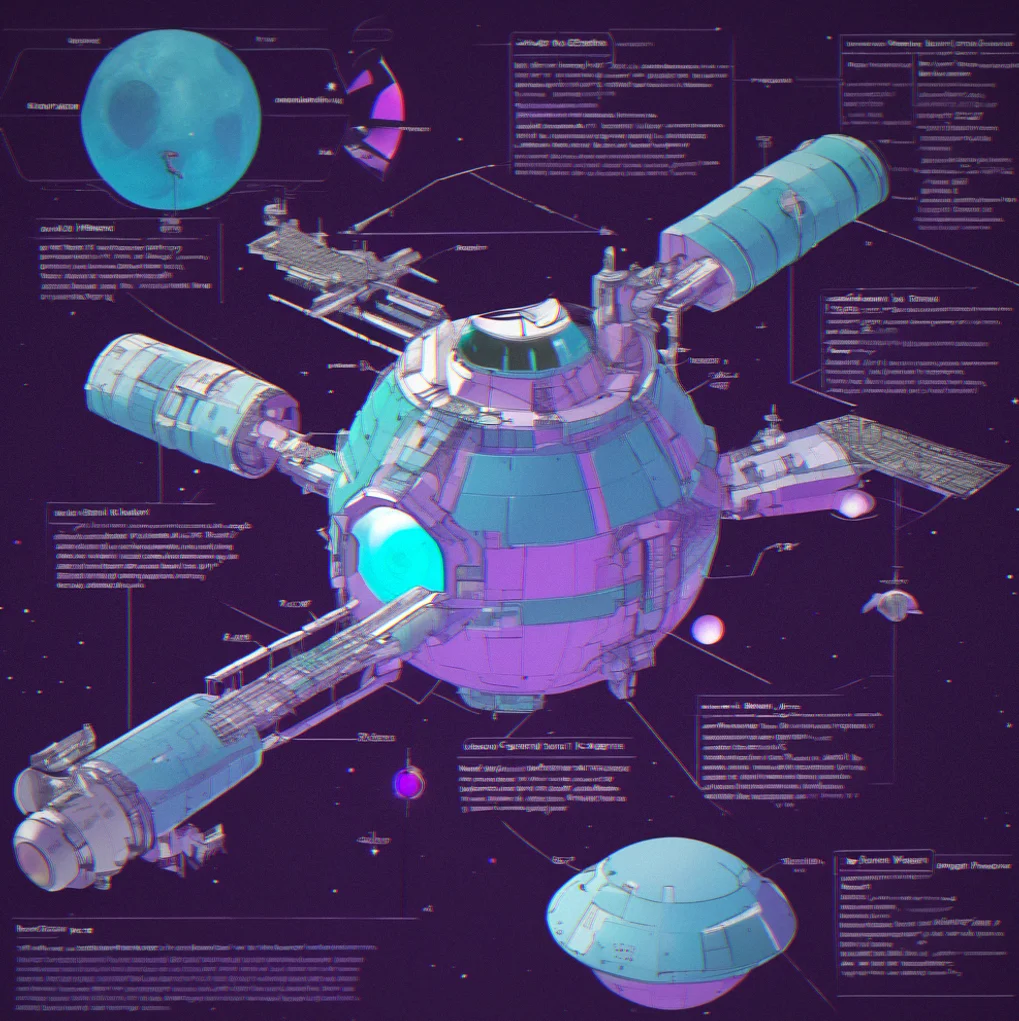
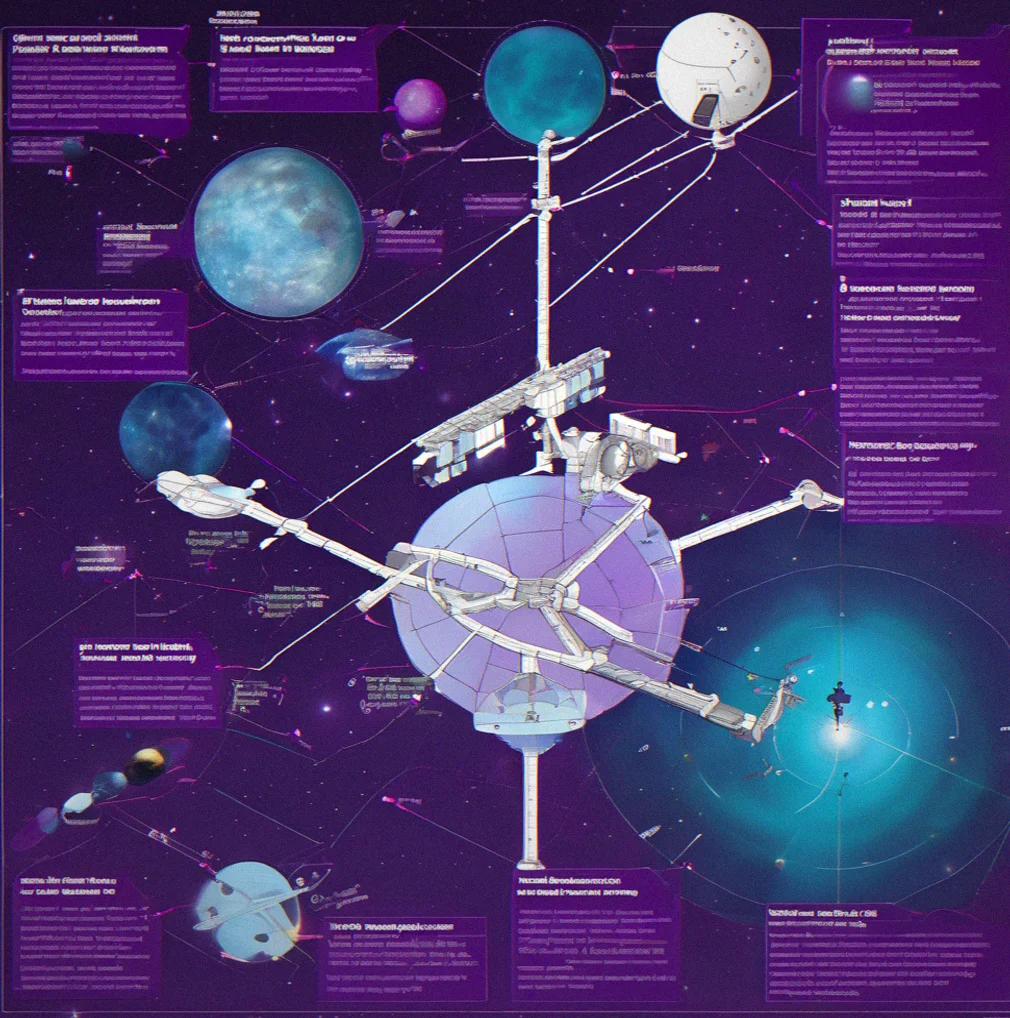
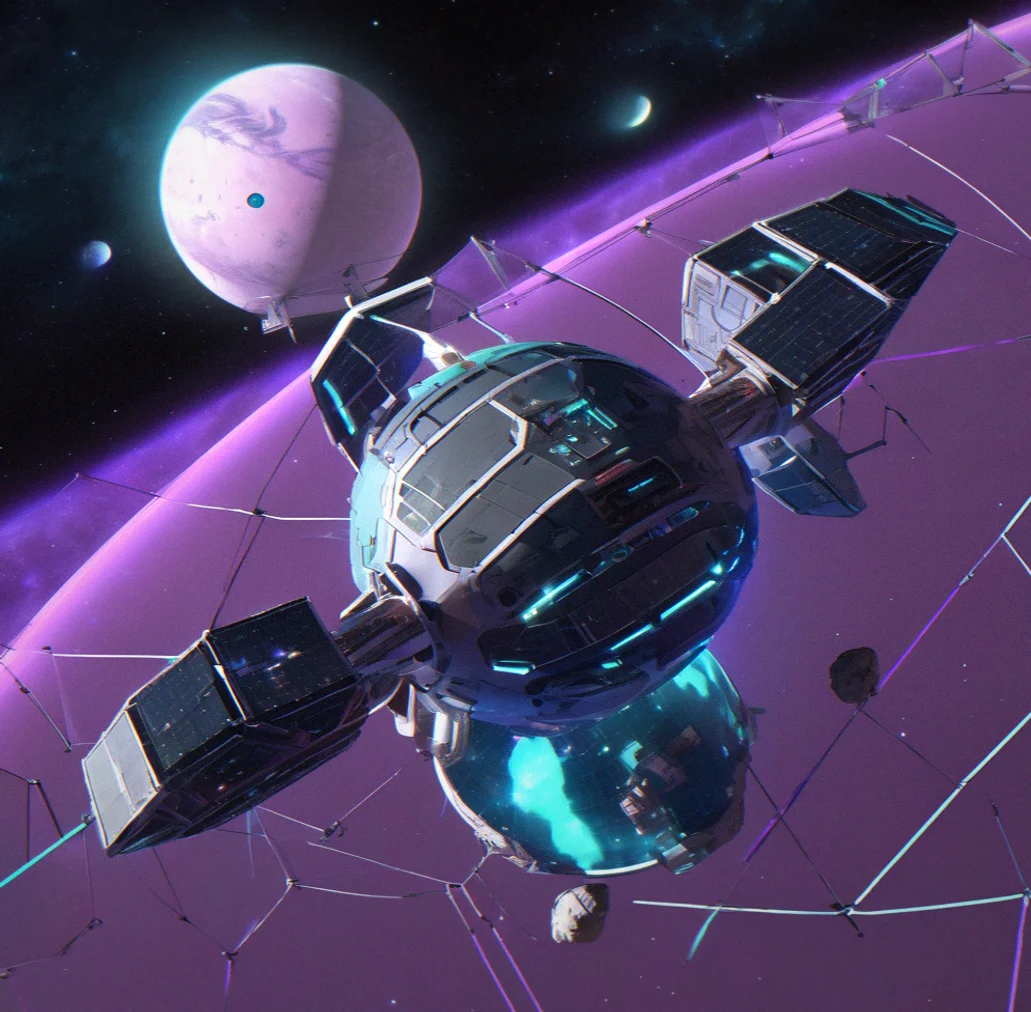
Overhead view of modular orbital station with interconnected resource nodes and defensive grid

If you've sunk 600 hours into Civ VI perfecting trade routes or memorized every StarCraft II build order, you know what real strategic depth demands. Stellar Field doesn't water that down—it just lets you get to it faster. Three systems feed into each other and make every choice matter: procedurally-generated star systems keep you from relying on one plan, modular base building creates actual resource constraints that bite and raid events scale to expose what you're weak at, not coddle your power level. Territory becomes about controlling supply lines. The meta changes the moment someone figures out a station configuration that holds up through 40% more attacks. Reddit's talking about it by the next day. The mechanics are all there to see. Pressure builds over time. When things go wrong, they stay wrong.

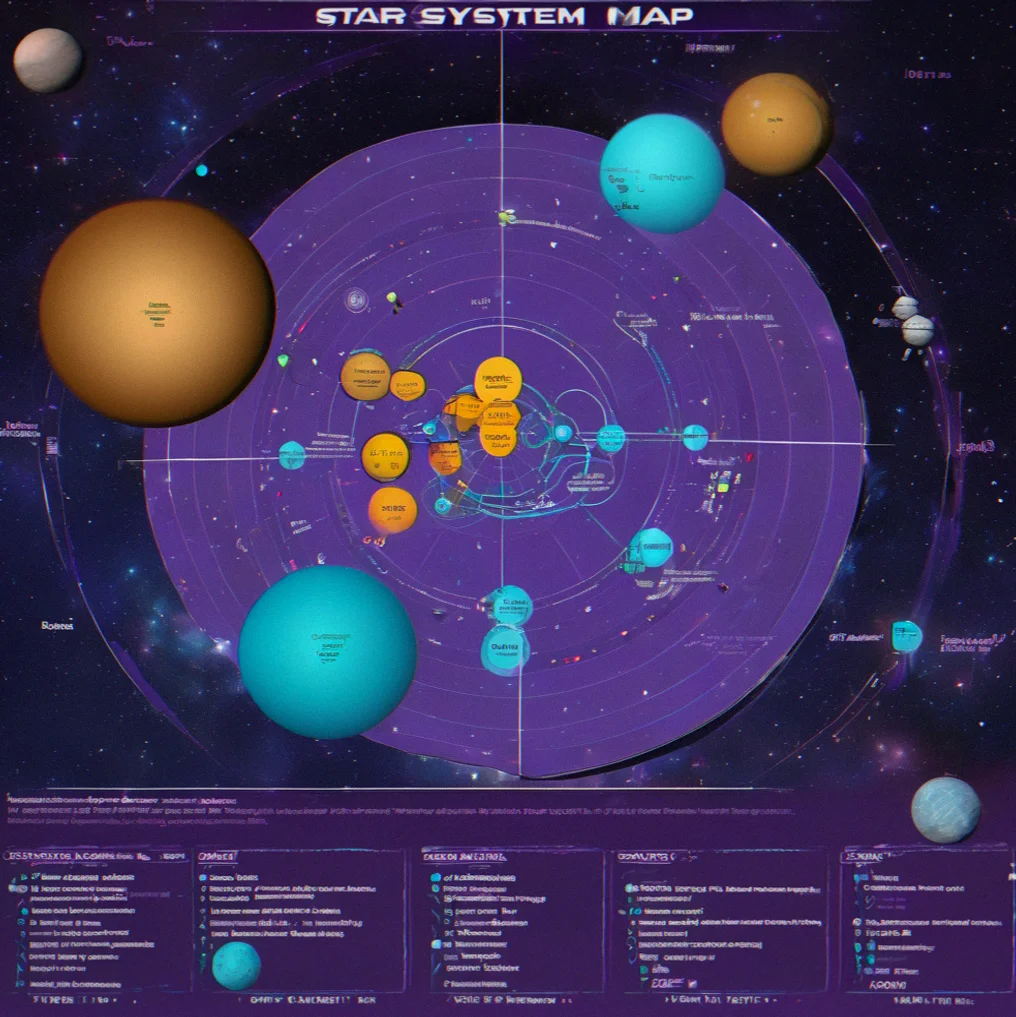
Star system map with resource clusters and orbtial positions marked out
Orbital station broken into four modules—extractors, refinery, storage, defense
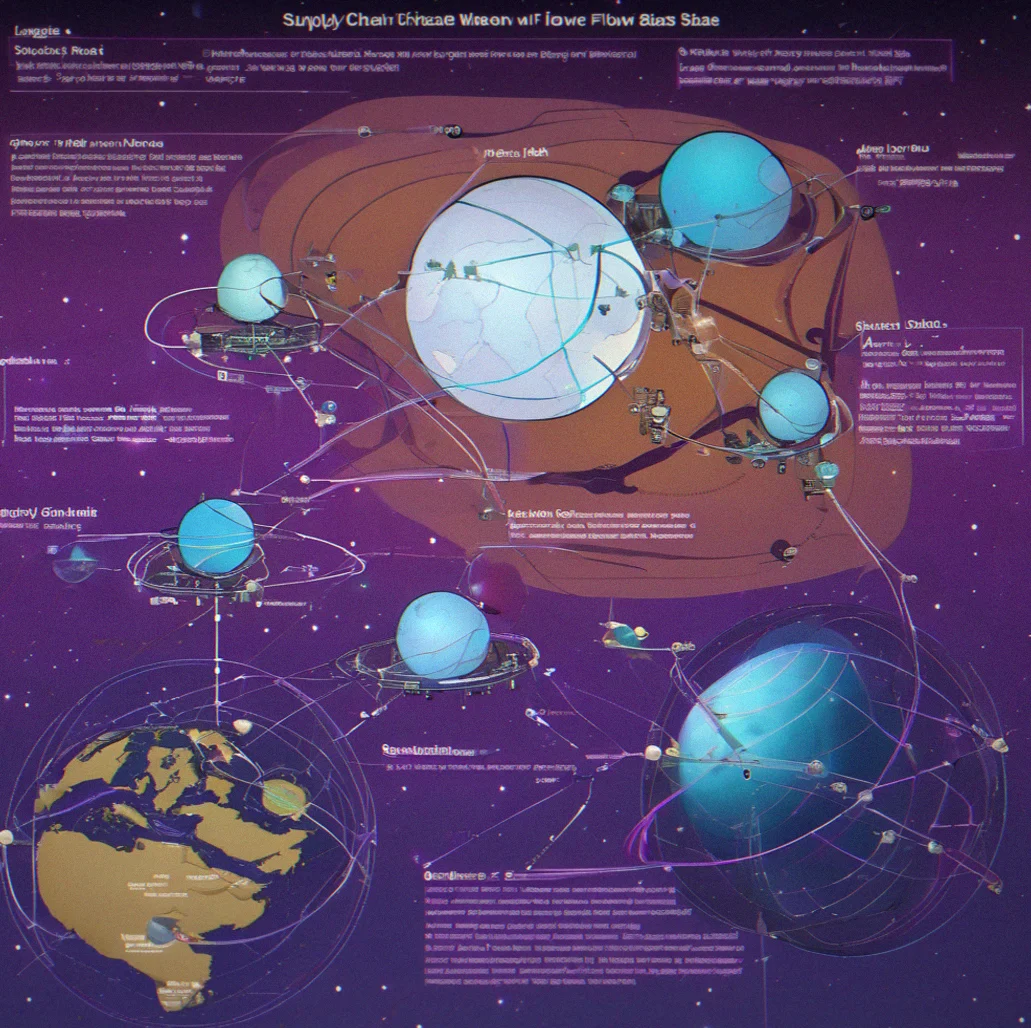
How resources move between three stations across a sector
Incoming pirate raid with fledt breakdown and time until they arrive
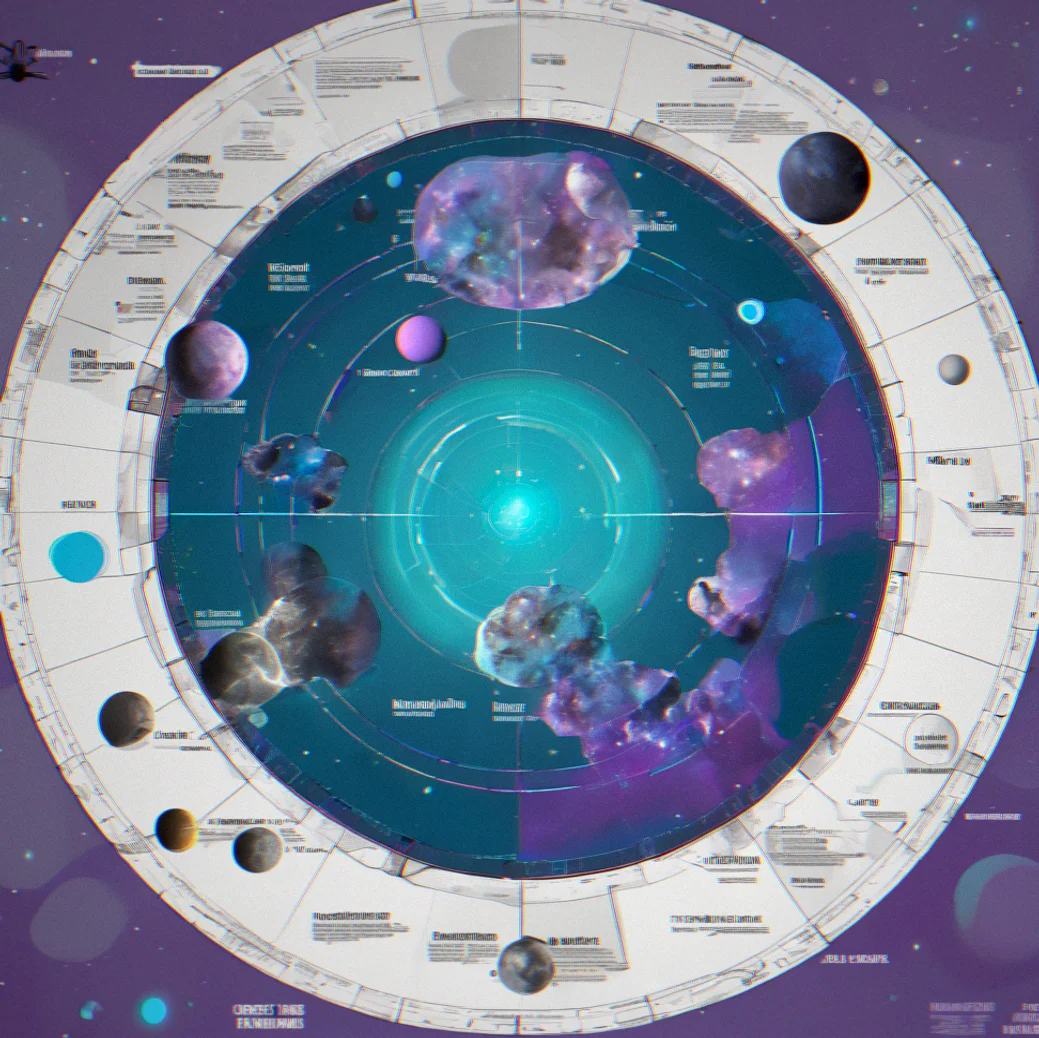
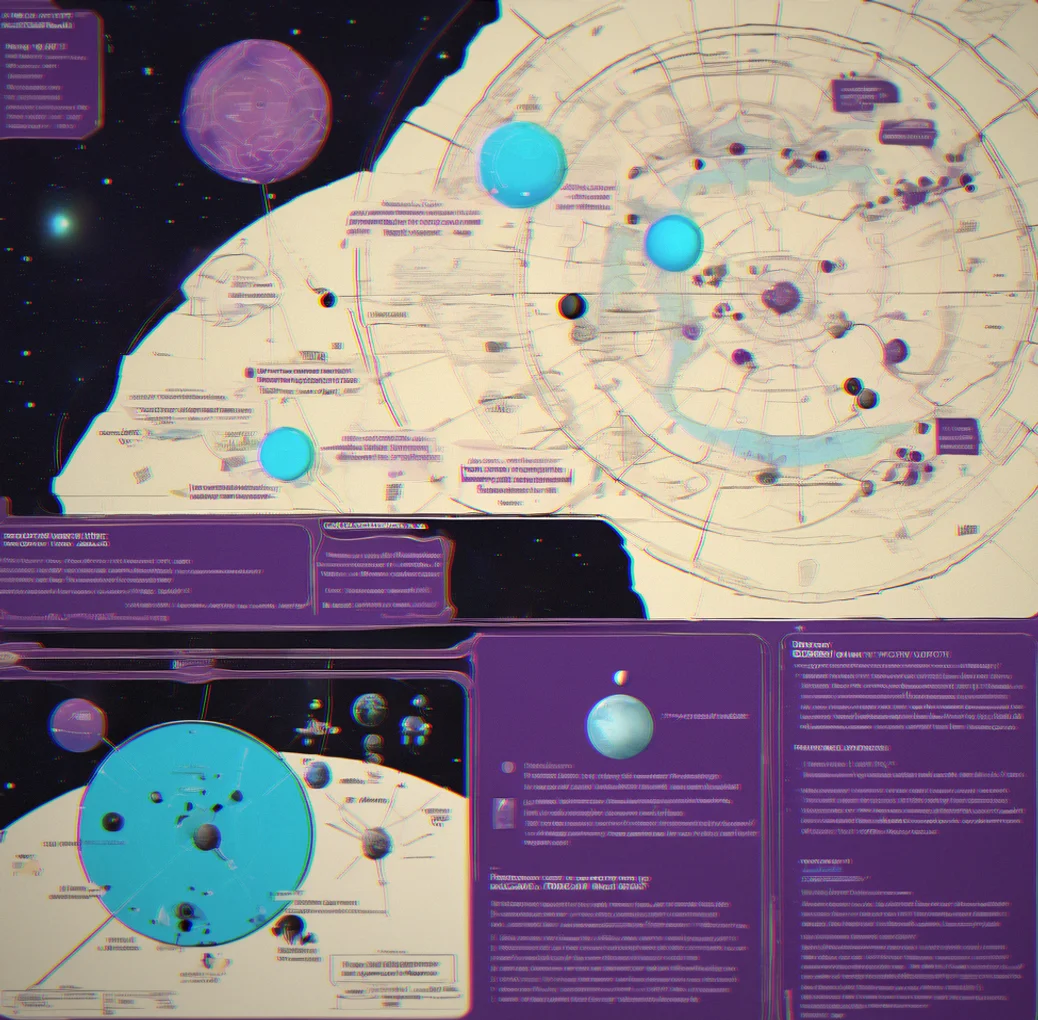
Territory map showing faction borders and where you get better resuorce yields
Defense setup with interceptors positioned and coverage areas around your base
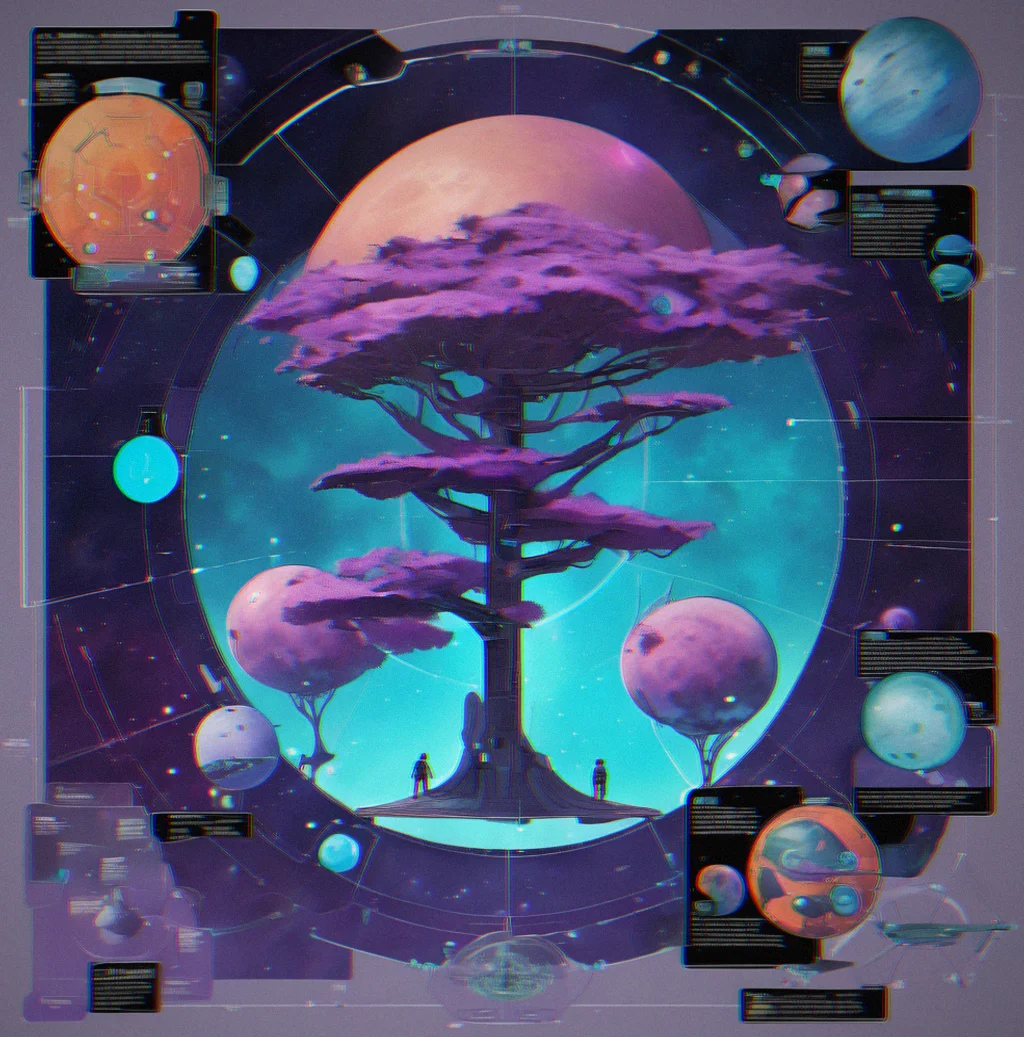
Tech tree shwoing what you need to unlock and which upgrades lead to what

Systems in Motion

Procedural discovery runs at the same time as base construction and raid pressure. They feed into each other. Your window to plan closes faster than you realize.

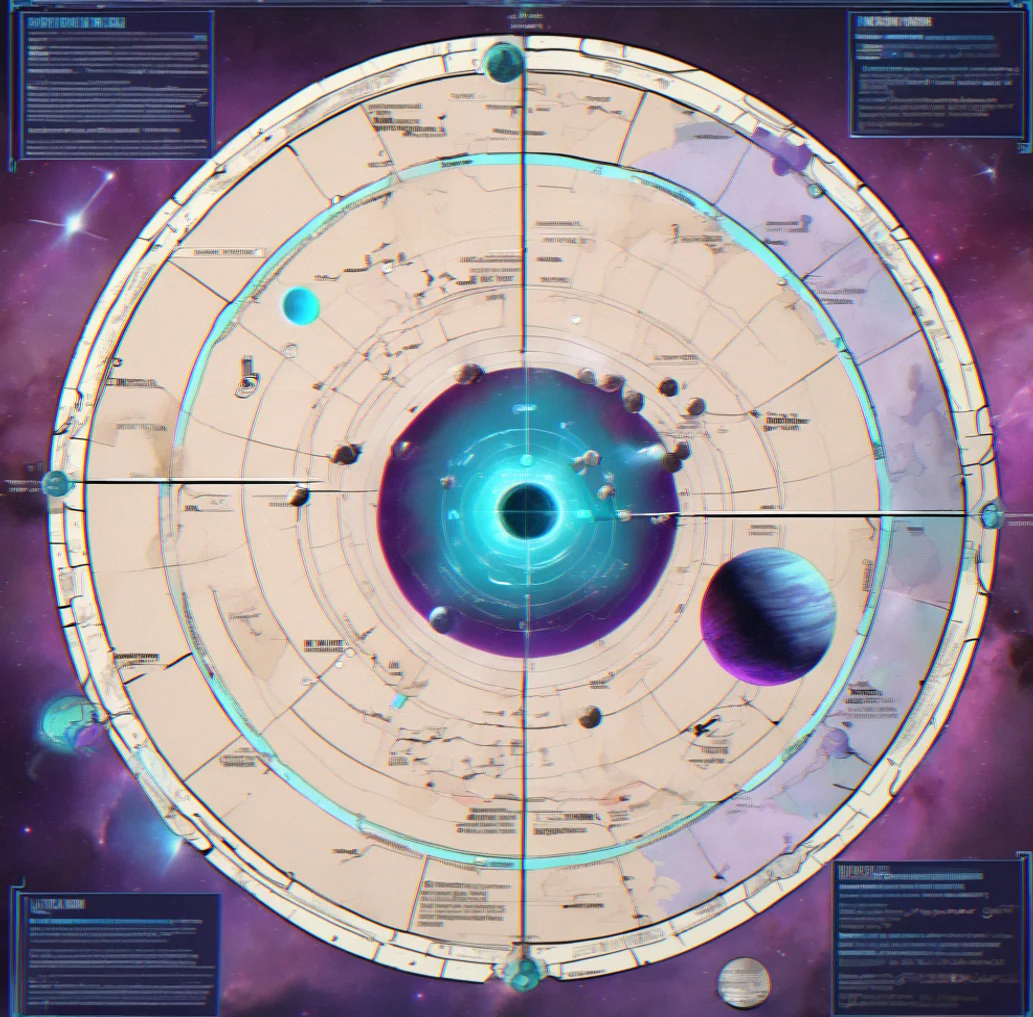
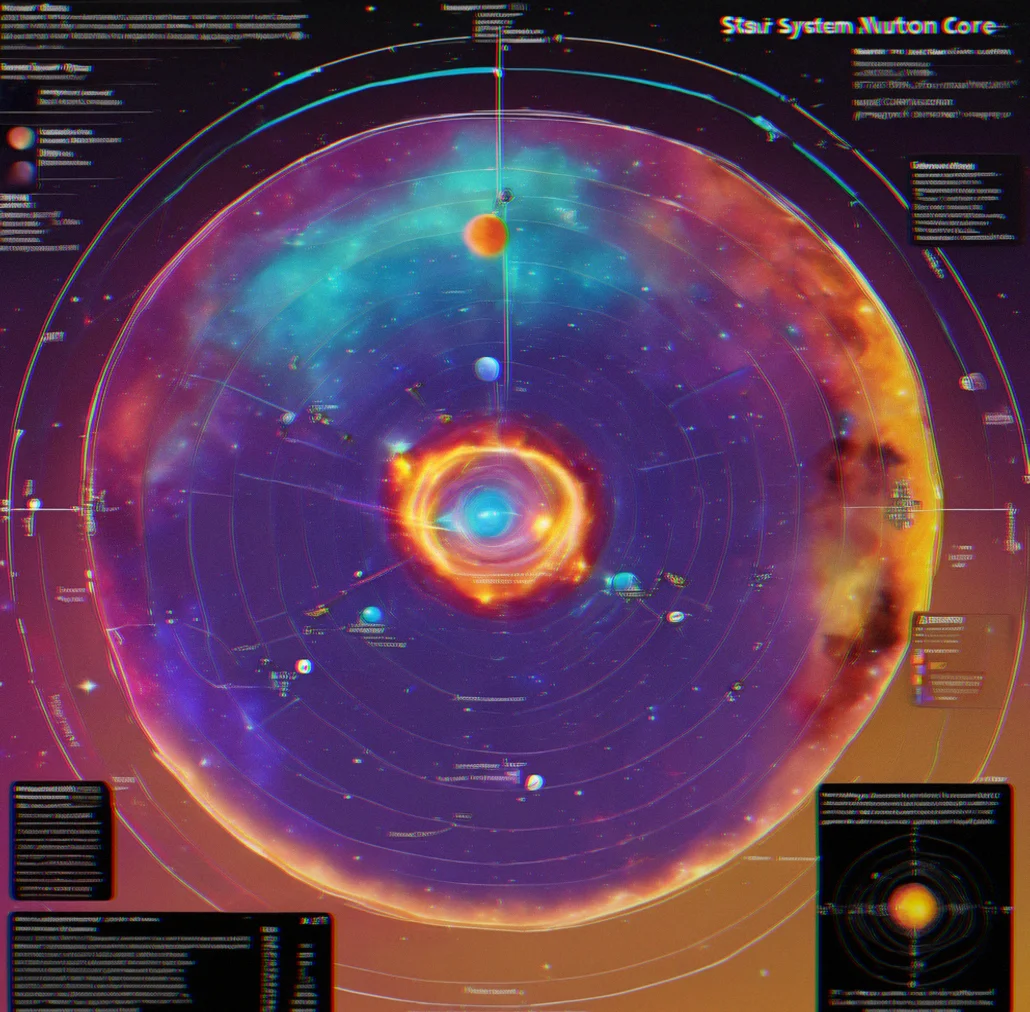
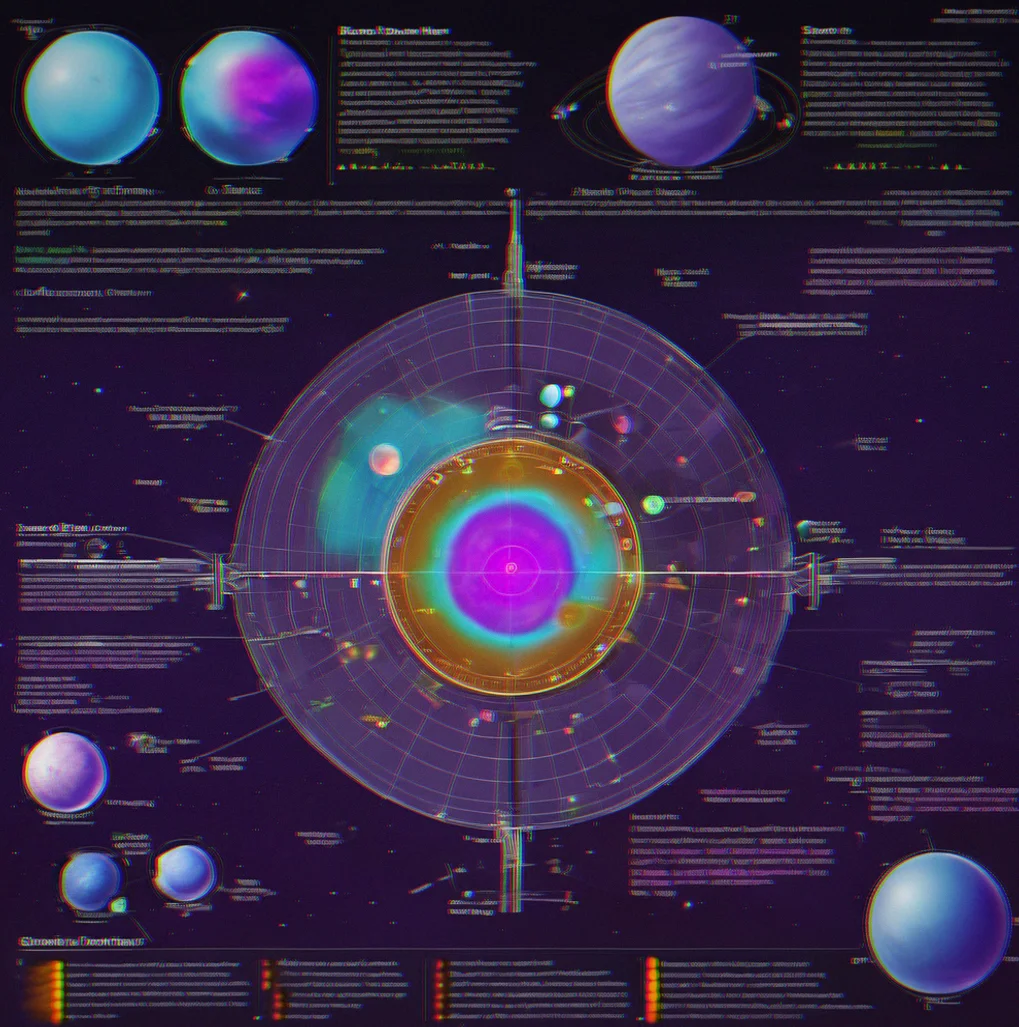
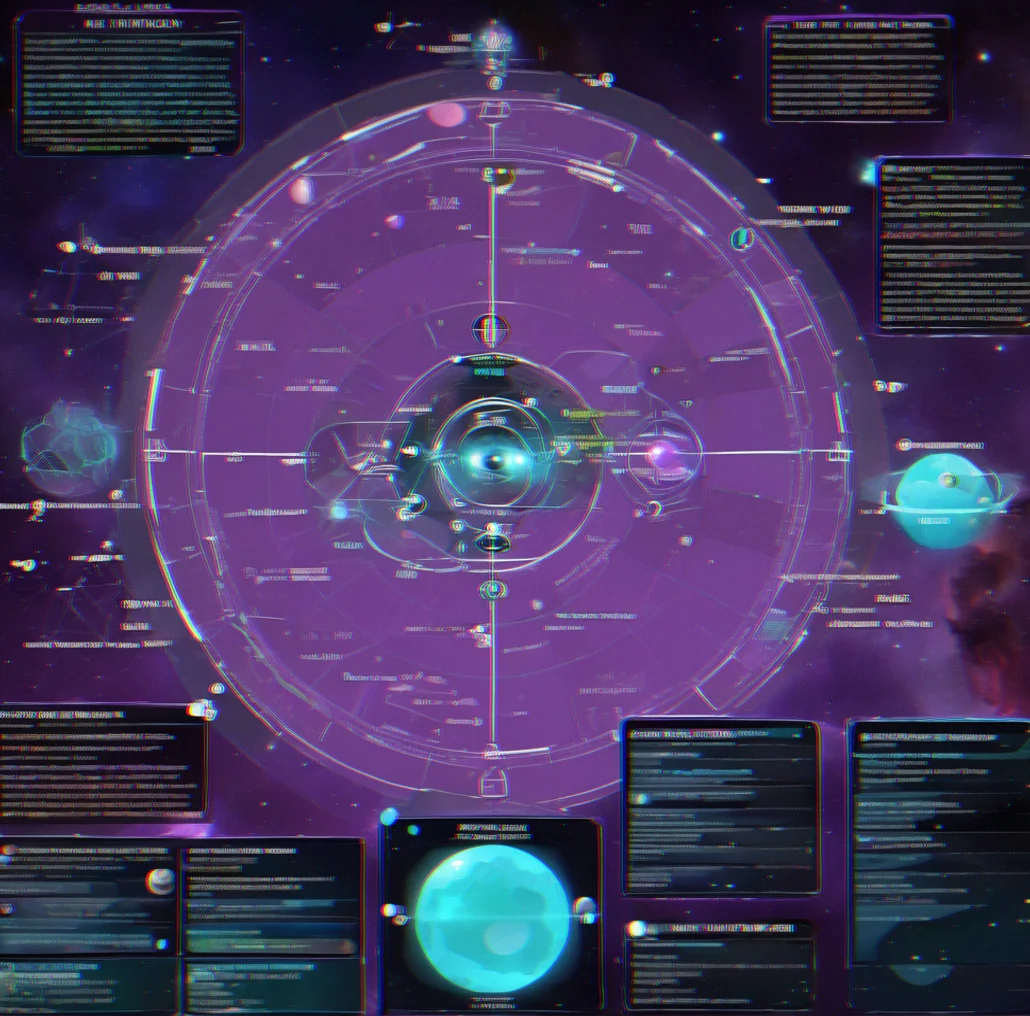
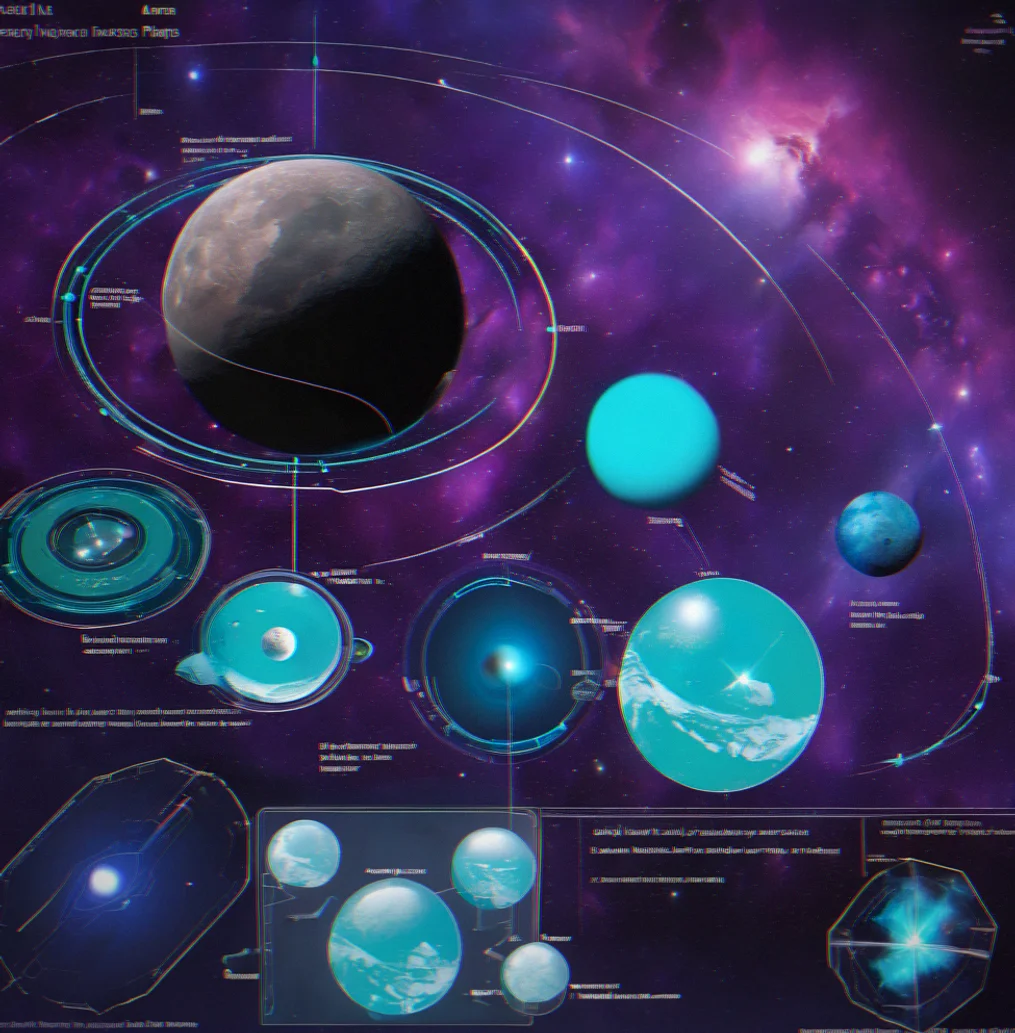
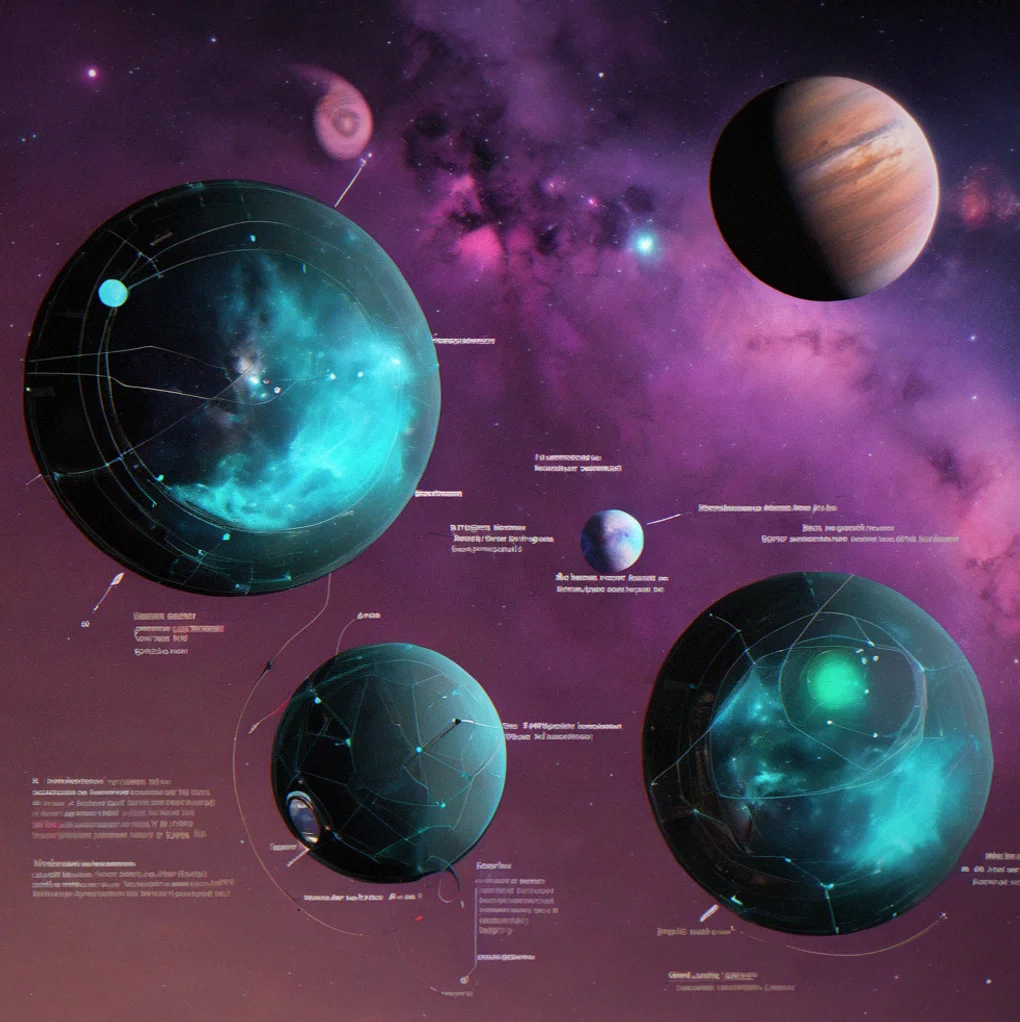
Star system scan showing a neutron star core with a heat map of resources underneath
Orbital station queue listing modules you want to build, when they'll go up, and what you need first
Incoming raid alert showing what ships are coming and how long you have before they hit
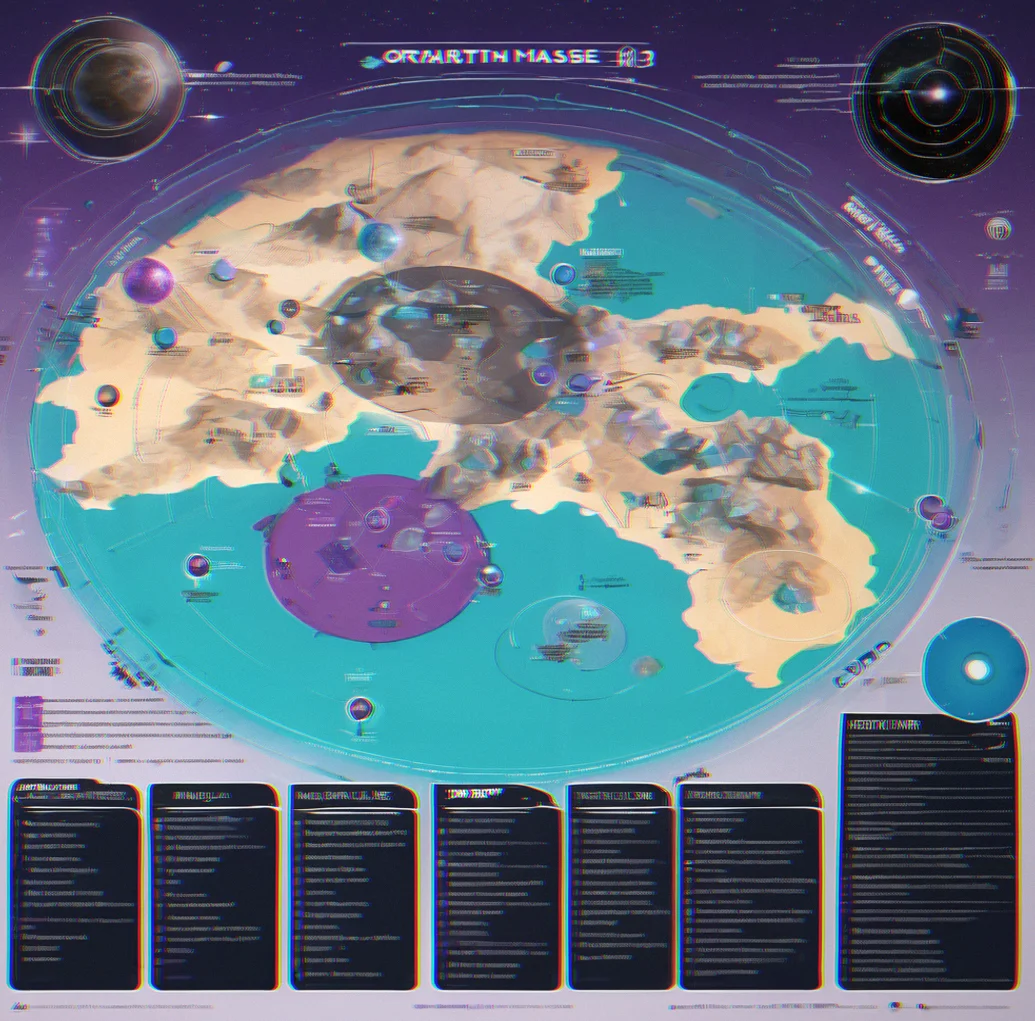
Map with faction territory, resource spots, and areas where control is still up for grabs across three clusters
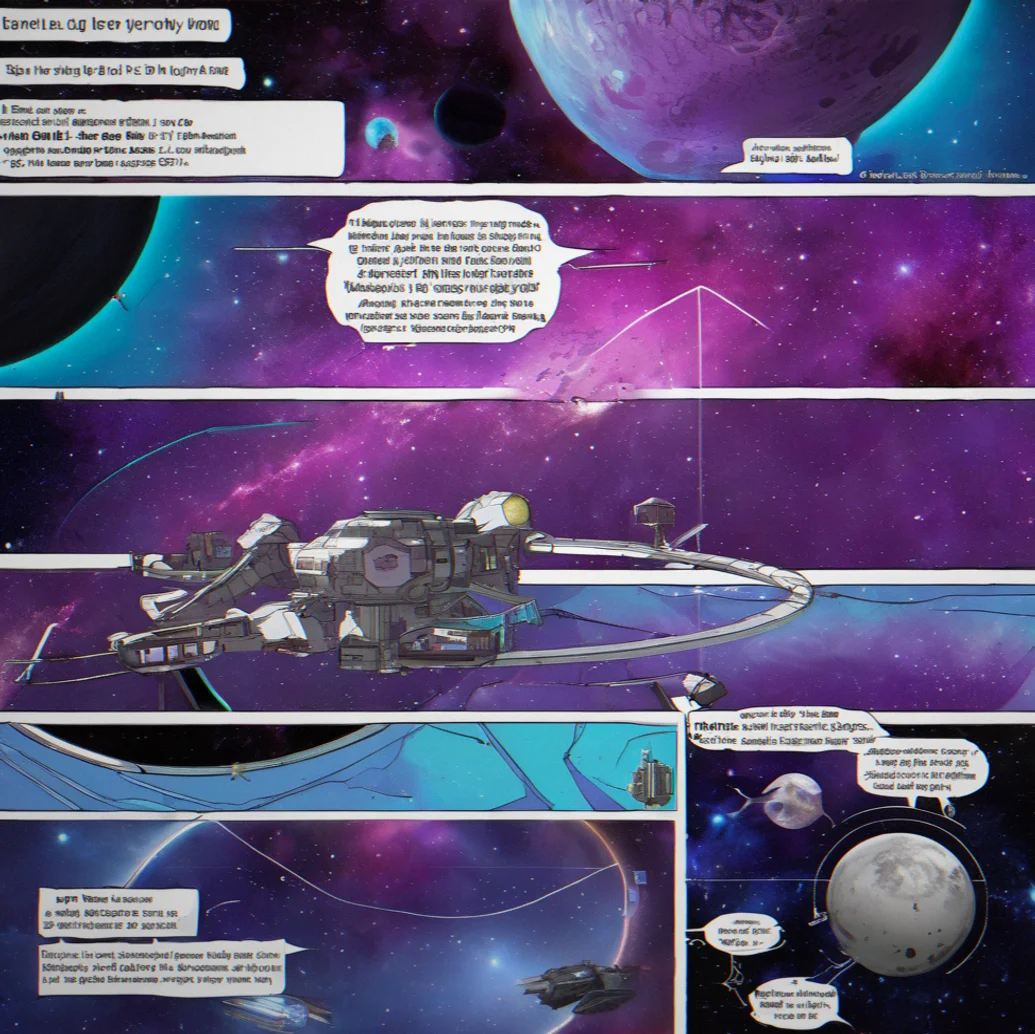
Event log showing supply lines that broke and what happens when resources stop moving

What You're Actually Building

Three systems that all push back against each other. No way around it.

star-scan

Procedural Star Systems

Sectors generate with resource distributions locked to orbital mechanics. Neutron stars hold rare isotopes. Water ice collects in the outer rings. You scan it, map it and plan around what's actually there.

station-module

Modular Station Construction

Build your orbital base by snapping modules into frames. Extractors feed into refineries. Refineries push resources to storage. Any link breaks and the whole thing stalls. What you build determines what you can hold.

logistics-flow

Supply Chain Logistics

Resources travel along real routes between modules and stations. A raider hits your fuel convoy and everything downstream dies. So you either sppread your nodes out or concentrate production and live with the risk.

raid-alert

Procedural Raid Events

Every week and a half or so, raiders come. Could be pirate swarms, hired mercs, or territorial pushes. The system looks at your base and finds the weak spots. Difficulty doesn't scale to your level. It just keeps coming.

territory-map

Territory Control Mechanics

Hold the right systems and you get resource bonuses. A contested asteroid belt might give you a third more minerals. Territory wars happen at the supply line level, not just fleet count. Cut someone's fuel and they lose.

mechanics-open

Transparent Game Systems

You see the raid timer. You see build times. You see what research unlocks what. Randomness is in what appears, not how it works. Every number is there. Nothing hidden behind percentages.

season-cycle

Seasonal Progression and Resets

Seasons run for about half a year. All bases wipe when a season ends. Cosmetics and rank stick around. The meta gets reset every cycle so late-game players can't just sit on their advantage forever.
CORE

Core Systems Explained

How each constraint shapes your decisions.

Star system scan showing resource density heat map with orbital bodies and mineral concentrations

Scan and Commit

The procedural generation system ties resource distribution directly to orbital mechanics. Rare earths tend to cluster near asteroid fields. Water ice pools up in the outer belts. So when you're deciding where to expand, you're working with what's actually there, not chasing something you hope exists.

Orbital station schematic showing modular slots with extractor, refinery, storage and defense positions

Module Placement Matters

Stack all your extractors into one orbital frame and you've got a serious bottleneck. Spread them out and you're vulnerable to attacks. Your layout choice directly controls both how much you can produce and how exposed you are. That's the whole tension.

Supply chain visualization showing logistics routes between stations with flow indicators and choke points

Supply Lines Break

Resources don't just teleport. They travel along specific routes you set up. Lose a fuel shipment and your whole production pipeline stutters. You can either accept that risk or redesign your network with backup routes, which eats into resources you're already short on.

Raid event log displaying incoming fleet composition with timing window and predicted target priorities

Raids Read Your Layout

Every week or so, give or take a few days. The composition changes each time. The raid algorithm analyzes your base and hunts for weak spots.

Cluster territory map showing faction boundaries, resource nodes, and yield bonus percentages per zone

Territory = Resources

Control a good asteroid field and you're looking at significantly higher mineral extraction rates. That advantage snowballs over time. Territory disputes hzppen because cutting off someone's fuel supply beats trying to outproduce them in a fair fight.

Game mechanics reference showing raid intervals, build timers, research tech tree, and resource formulas

Transparent Numbers

You can see when raids come back. You know how long something takes to build. Research requirements are laid out. The randomness is in what spawns where, not how things play out. No hidden math. You plan based on what you actually know.

Three Interconnected Systems

Each one constrains the others. Break one and the whole structure shifts.

Procedural Discovery

Want to know where the rare isotopes spawn? Scan the system. Neutron stars generate them consistently. Water ice clusters in outer belts. Asteroid fields concentrate rare earths. You don't get handed a map. Chart it based on orbital mechanics that don't change. That's your planning foundation.

Orbital Infrastructure

How many extractors can you defend? That question determines your entire base layout. Stack modules in one frame and you create bottlenecks. Distribute them and you're exposed. Supply chains are explicit. A refinery needs raw input, then a logistics line to storage, then power from somewhere else. Break any link and that facility goes dark.

Threat Response

Raids spawn every week or so. Composition varies based on what you've built and where. Pirate swarms hit fast. Mercenary strikes target specific modules. Territorial incursions move slowly but persist. The algorithm reads your base and exploits the gaps. No rubber-band difficulty. Just pressure. You defend with what you've constructed or you lose assets.

What You Get

No filler. Just mechanics.

Procedural Constraints

Star systems generate with fixed orbital mechanics. Neutron stars spawn rare isotopes. Water ice concentrates in outer belts. You scan it and plan around actual scarcity instead of pretending everything's everywhere. Every resource distribution ties to physics, so you can't just brute-force your way through expansion. The map isn't random flavor—it's a planning problem.

Procedurally-generated star system scan with orbital mechanics-based resource distribution overlay

Supply Chain Vulnerabilities

Resources move along explicit routes. Extractors feed refineries. Refineries push to storage. Storage connects to production. Break any link and output cascades to zero. Your base layout determines both throughput and how exposed you are. That's a real tradeoff.

Orbital station supply chain diagram showing module connections and logistics flow paths

Raid Pressure That Adapts

Raids come every week or two. The algorithm reads your base layout and finds the weak spots. Pirate swarms. Mercenary strikes. Territorial incursions. What shows up depends on what you've built. There's no difficulty slider. Just exploitation.

Raid event notification showing incoming fleet composition with tactical target analysis

Territory Wars at Supply Scale

Territory holds resource bonuses. Control a prime asteroid field and mineral yield goes up significantly. Wars start when someone cuts your fuel shipment or blocks your refinery's supply line. You win by disrupting logistics, not just by winning the space battle.

Cluster territory control map showing faction zones, resource nodes, and yield bonuses

Gameplay in Motion

The star system scan interface shows a neutron star at the core with a heat map spreading out resources across the procedurally generated space

You scan feeds to plan your base. How you lay it out determines how exposed you are to raids. When raids hit, you've got to shuffle everything around. It cycles every week or so. Nothing operates on its own.

The star system scan interface shows a neutron star at the core with a heat map spreading out resources across the procedurally generated space

The star system scan interface shows a neutron star at the core with a heat map spreading out resources across the procedurally generated space

Building queue for your orbital station laid out in modular slots, with the supply chain requirements you need to fulfill marked out

Building queue for your orbital station laid out in modular slots, with the supply chain requirements you need to fulfill marked out

A raid's incoming and you see the enemy fleet broken down by ship type, with a timer showing how long until they arrive

A raid's incoming and you see the enemy fleet broken down by ship type, with a timer showing how long until they arrive

Map showing territory controlled by different factions, which resource nodes belong to whom, and where the bonus zones are

Map showing territory controlled by different factions, which resource nodes belong to whom, and where the bonus zones are

Event log showing when your supply lines got cut, what broke, and how the production failures cascaded through your operation

Event log showing when your supply lines got cut, what broke, and how the production failures cascaded through your operation

MECHANICS & GAMEPLAY

Common Questions

You've played enough strategy games to know what actually matters. Here's what Stellar Field does and what it doesn't.

Absolutely. Stake out a quiet sector, run a profitable orbital station, and handle PvE raids for as long as you want. You won't hold territory or get faction-wide bonuses, but the core loop works fine on its own. That said, most people end up jumping into PvP within a month or so because the resource advantages start to matter.

Roughly 5 to 6 months, give or take depending on how many players are in your cluster. All your bases get wiped. Cosmetics, your player rank, and research unlocks stick around though. It's designed so nobody can just snowball forever. Fresh clusters mean everyone starts on equal footing.

Nope. Building a station back up takes somewhere between a week and a half to two and a half weeks depending on how many modules you had installed. You lose whatever was sitting in storage and all your equipped modules too. A well-executed raid doesn't just wreck your day—it can set you back months if you were relying on that station's output.

Quick intro covering station modular mechanics and how procedural generation works, then you're on your own planning things out. No quest log. Nobody's tracking your progress for you. Played Civ VI or StarCraft II? You'll be fine. Looking for a guided tutorial experience? Probably not your game.

Everyone else spent that time upgrading their raid defenses and claiming more territory. You've fallen behind. There's no catch-up system to help you recover. Botching your territorial expansion decisions means you're stuck dealing with the fallout for the rest of the season. That's by design.

The raid algorithm reads your base layout, how strong your garrison is, and what resource movements you've made recently. Then it builds a raid composition that exploits whatever gaps it finds. Pirate swarms hit different than mercenary strikes or territorial incursions and they all scale based on what you've got. You'll never fight the same raid twice against the same base because you've changed something.

In active warfare, absolutely. Hunt down logistics shipments while they're in transit or choke off supply routes between allied stations. Cutting someone's fuel line forces them to move bases or give up way faster than just out-trading them. Supply-line disruption counts as a legitimate win condition.

Raid cooldown windows are out there. Construction times are visible. Research chains are documented. Resource formulas are published. The only randomness comes from what type of raid spawns and how procedural systems generate, not from how they actually play out once they're live. Everything's in the numbers. Everything's documented in the launcher.

1

Get patch notes and meta shifts before Reddit even notices.

Balance changes, seasonal resets, territory wars breakdowns. No fluff, just what actually changed and why it matters. The community talks about it. You're already there.

Your email stays private. No selling it, no spam. One newsletter per patch cycle. Sometimes faster if something breaks.